Everyone calls me Q.
Developer turned product director. 25+ years of building things people actually feel — from enterprise data platforms to the teams that ship them.
Start a Conversation See the WorkIf you need someone to manage an existing backlog, I'm probably not your person — and I'd rather tell you that now than waste both our time. I know people I can refer you to.
If you're building something that doesn't exist yet, entering a market you've never touched, or standing up a product suite from scratch — that's where I do my best work. I bring the strategic vision, the cross-functional leadership, and the technical credibility to do it right.
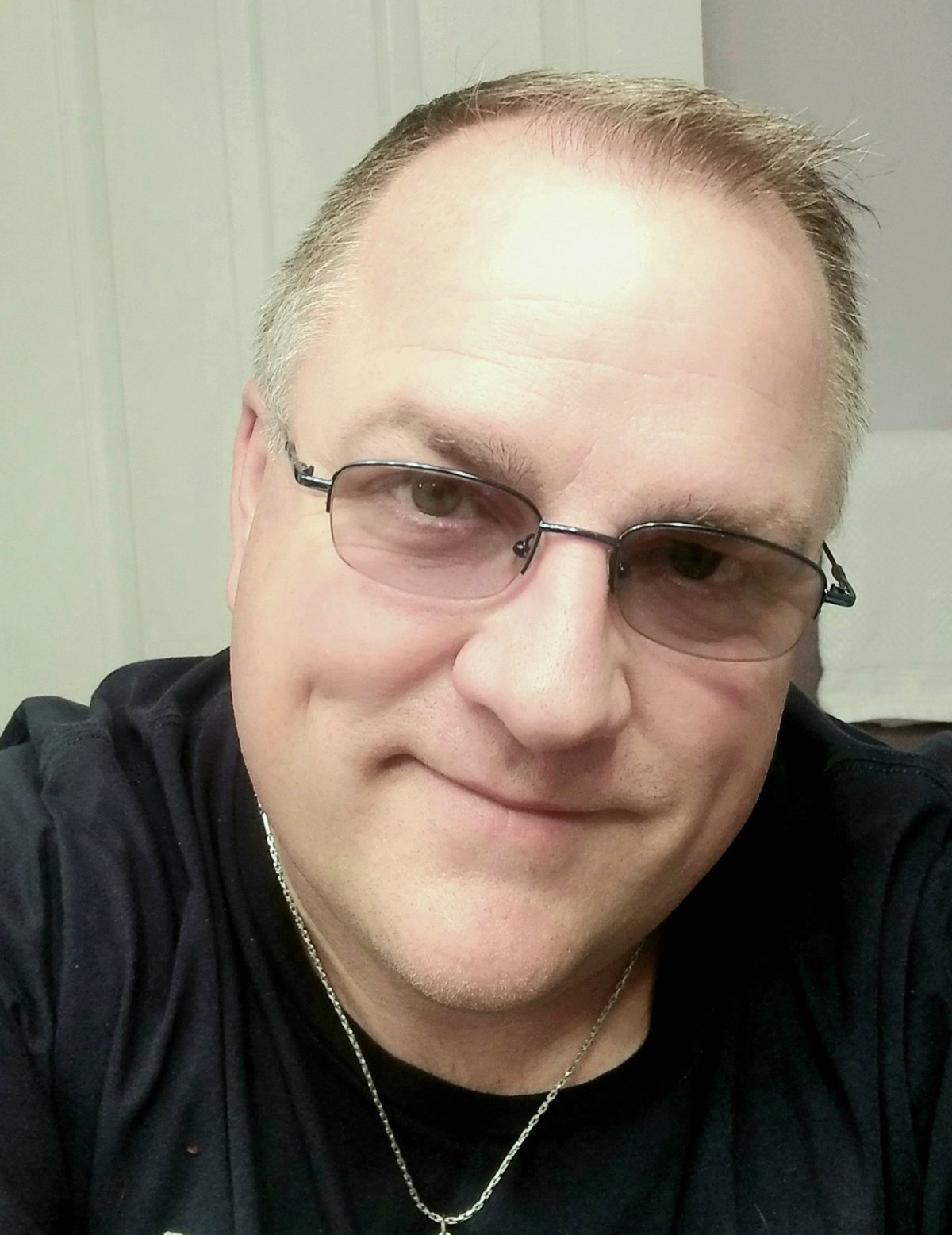
I wrote my first line of code in 1981 — BASIC, on hardware that most people my age remember as a curiosity. I created my first game later that year - as simple as it was. That wasn't an assignment. That was just what I wanted to do. By the time I got formal training at Troy State in the late nineties, I had been designing websites and online experiences for three years. I already knew how I thought about software. The coursework gave me structure; the years before it gave me instinct. I kept adding languages after school too — taught myself C# in the mid-2000s, long after I needed to. Old habits.
Over 25 years that developer instinct grew into something broader. I moved from writing software to leading the people and strategy that shape it — across healthcare, automotive, heavy-duty trucking, public safety, and enterprise SaaS. The industries changed. The core question didn't: what does this feel like for the person on the other end?
That's what I mean when I say "architect of experiences." It's not a job title. It's a way of approaching the work. Every roadmap decision, every team conversation, every launch is a chance to shape how someone experiences your product. I don't take that lightly.
I also came up through the code, which means I know what it costs to build what I'm asking for. I've led the architecture meetings and the 2am debugging sessions. I've been onsite writing code overnight because the specs we were provided weren't corrent. That history makes me a better partner to the engineers on my teams — and a harder person to hand a vague requirement to.
Most product managers optimize for delivery. I optimize for resonance. There's a real difference between a product that works and a product that's felt — and I've led teams that shipped both. I know which one people remember. I know which one they come back to.
My approach starts from the outside in. What is the human experience we're building toward? What does it feel like on day one, day thirty, day three hundred? Work backwards from that to the architecture, the roadmap, the team structure. Build the systems that make the experience possible — and the culture that keeps it honest.
I don't follow frameworks religiously. I use them the way a craftsperson uses tools: pick the right one for the job, put it down when it stops helping. Twenty-seven years in this field taught me that the playbook is a starting point, not a ceiling.
"Out of all of my accomplishments, I am most proud of the teams I have mentored." — Nicholas Blackwood
Not a checklist. A point of view.
Let's talk about the work — where your product is, where it needs to go, and how to build the team that gets it there.
Let's Talk